Research

Research

Research Landscape of PBL-STEM Education: A Systematic Analysis Review

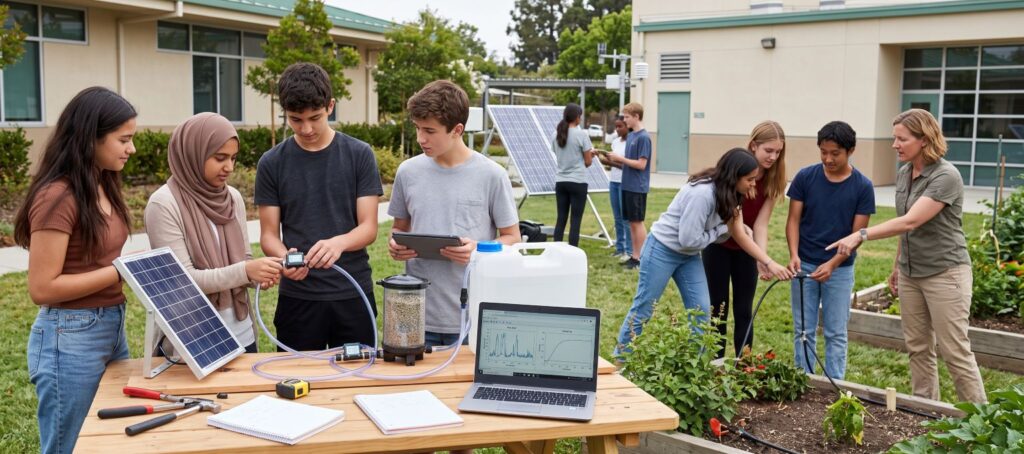
This post summarizes the paper titled ‘Research Landscape of PBL-STEM Education: A Systematic Analysis Review’. Click here to read DOI For many years, education has divided knowledge into separate subjects. Students learn science in one lesson, mathematics in another, and technology in a third. But real-world problems rarely follow these boundaries. Designing a bridge requires engineering and mathematics, developing medical equipment involves science and technology, and addressing environmental challenges often requires knowledge from several disciplines. This raises an important question: What if students were encouraged to connect these subjects through meaningful projects and real-world problems instead of learning everything separately? To explore this direction, Zhang and colleagues conducted a systematic review and bibliometric analysis of 1,999 articles in the Scopus database. Their study examined the development of project-based learning and problem-based learning in STEM education, often discussed together as PBL-STEM. Rather than focusing on a single classroom experiment, the researchers aimed to understand broader research trends, key themes, and future opportunities to improve STEM teaching and learning. The findings highlighted student-centered learning, interdisciplinary integration, and innovative teaching methods as key themes in PBL-STEM research. The reviewed literature emphasized developing students’ higher-order thinking skills through activities that encourage investigation, collaboration, and practical problem-solving. The researchers also identified emerging technologies as important opportunities for improving STEM education. However, they emphasized that successful PBL-STEM implementation requires appropriate curriculum development, effective assessment methods, innovative teaching models, and continued professional development for educators. The study presents PBL-STEM as a promising direction for preparing students with the skills needed in a rapidly changing world. By connecting knowledge from different disciplines and applying it to meaningful challenges, students can develop a more practical understanding of what they learn. At the same time, educational institutions must keep improving how they design and evaluate these learning experiences. Because the future of education is not simply about teaching students more information but about helping them connect knowledge, think critically, and solve problems that extend beyond the classroom.

Research

Trends and Benefits of Online Distance Learning in the English as a Second Language Context: A Systematic Literature Review

This post summarizes the paper titled ‘Trends and Benefits of Online Distance Learning in the English as a Second Language Context: A Systematic Literature Review’. Click here to read DOI At one time, learning English meant being physically present in a classroom. Students listened to their teachers, practised speaking with classmates, completed exercises, and relied on textbooks to improve their language skills. Then the COVID-19 pandemic changed how education was delivered worldwide. Schools and universities moved their lessons online, and students began learning through video calls, digital platforms, and virtual classrooms. What initially seemed like a temporary solution eventually became an important part of modern education. But this transformation raised an important question: Can online distance learning provide meaningful experiences for students learning English as a second language? To investigate this issue, Zainuddin and fellow researchers conducted a systematic literature review using the PRISMA 2020 framework. They examined 17 studies published between 2019 and 2023, focusing on teachers’ and students’ experiences with Online Distance Learning, or ODL, in English as a Second Language education. The study aimed to understand the effectiveness, trends, and perceived benefits of online learning from both perspectives. The findings revealed several advantages for students, including greater comfort, flexibility, time savings, independent learning, and improved communication and collaboration skills. Students could access educational materials and participate in learning activities without always needing to be physically present in class. Teachers also reported benefits, such as improved teaching efficiency, reduced expenses, time savings, and positive learning environments. However, the researchers emphasized that these advantages depend on how effectively online learning is implemented and supported by educational institutions. Finally, the study highlights how online distance learning can expand educational opportunities and make language learning more accessible. Although digital platforms cannot guarantee effective teaching on their own, they offer valuable opportunities for students and teachers to interact, collaborate, and learn in different ways. Educational institutions should therefore develop appropriate strategies to maximize these benefits and support inclusive education. Meaningful learning should not be limited by the location of a classroom but should be shaped by the opportunities students have to communicate, explore, and develop their abilities.

Research

Impact of Integrated STEM on Knowledge and Self-Efficacy Based on Teachers’ Experience

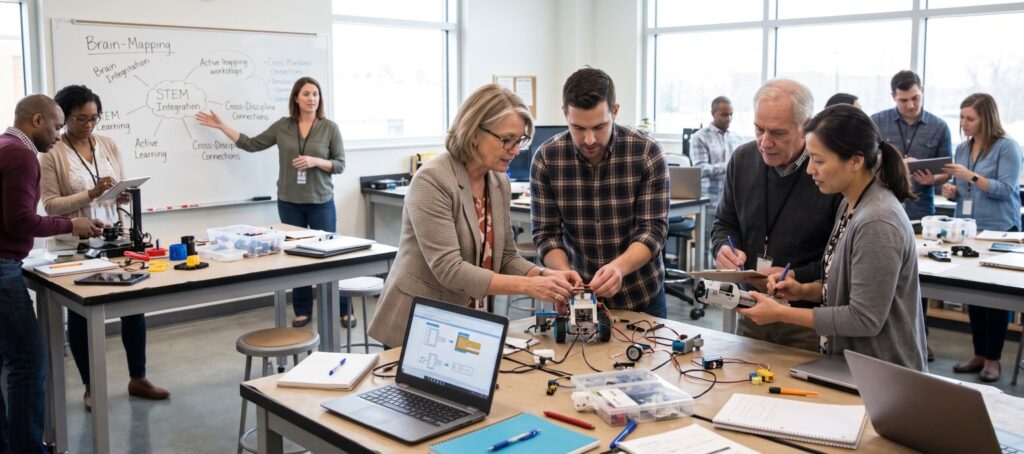
This post summarizes the paper titled ‘Impact of Integrated STEM on Knowledge and Self-Efficacy Based on Teachers’ Experience’. Click here to read DOI Teaching has never been a profession that remains completely unchanged. As society develops, new technologies emerge, new knowledge becomes available, and educational expectations continue to evolve. Imagine a science teacher who has spent many years explaining scientific concepts through traditional classroom lessons. Suddenly, that teacher is expected to connect science with technology, engineering, and mathematics through integrated learning activities. Although the teacher may have years of experience, introducing a new teaching approach can still be challenging. This raises an important question: How do teachers’ experiences influence their knowledge and confidence in delivering integrated STEM education? To investigate this issue, Rasul and colleagues conducted a survey of 816 teachers who had participated in a STEM Training of Trainers program. The study examined teachers’ knowledge, attitudes, and self-efficacy toward STEM integration, with particular attention to differences in teaching experience. Self-efficacy refers to teachers’ belief in their ability to carry out teaching tasks successfully, which is especially important when educators are expected to introduce unfamiliar methods. The findings showed that teaching experience was associated with teachers’ knowledge, attitudes, and self-efficacy toward integrated STEM education. This suggests that educators may differ in how they understand and approach STEM teaching depending on their professional backgrounds. The study also emphasized the importance of preparing teachers to connect STEM disciplines rather than treating science and mathematics as completely separate subjects. Providing appropriate training and support can help teachers develop the understanding and confidence needed to implement innovative teaching strategies. Ultimately, the study reminds us that educational improvement does not depend only on changing the curriculum or introducing new learning methods. Teachers must also be prepared to understand and implement those changes effectively. Professional development is therefore an important part of successful STEM integration. Even the most experienced teachers must continue learning, adapting, and growing if they want to prepare their students for a constantly changing world.

Research

Exploring the Mediating Effect of Academic Self-Efficacy and Self-Regulated Learning in the Relationship Between Teaching, Social Presences and Cognitive Presence

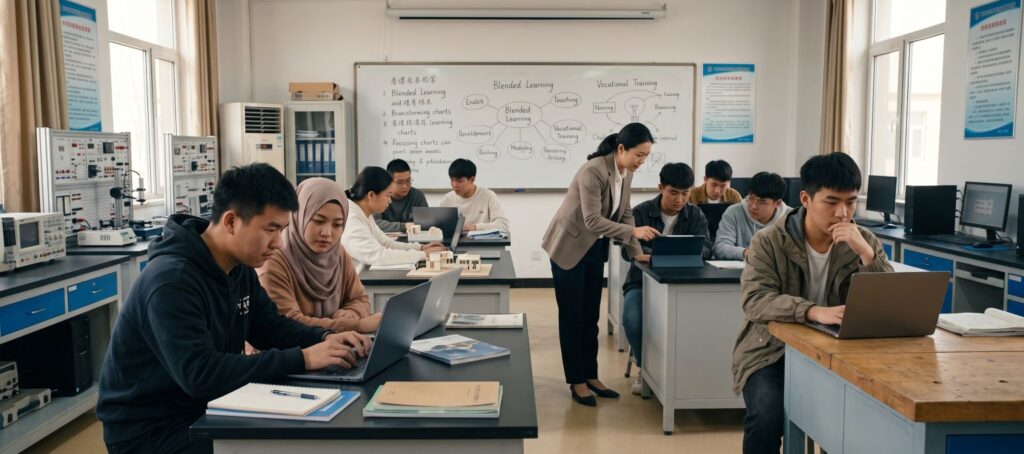
This post summarizes the paper titled ‘Exploring the Mediating Effect of Academic Self-Efficacy and Self-Regulated Learning in the Relationship Between Teaching, Social Presences and Cognitive Presence’. Click here to read DOI Imagine two students attending the same blended learning class. Both have access to identical learning materials, online platforms, and teacher instructions. Yet one student actively participates, completes assignments confidently, and manages their learning effectively, while the other struggles to stay motivated and often doubts their abilities. If both students have the same learning opportunities, why do they get different outcomes? The answer may lie beyond the classroom: their confidence, learning habits, and ability to take responsibility for their education. To understand these relationships, Zidi and fellow researchers conducted a quantitative study involving 538 students from four vocational colleges in Hebei Province, China. Using the extended Community of Inquiry framework, they examined how teaching presence, social presence, academic self-efficacy, and self-regulated learning influence cognitive presence in blended learning environments. The researchers used structural equation modelling to investigate how these factors were connected. The findings showed that teaching presence, social presence, and learning presence predicted cognitive presence. In simpler terms, students’ ability to think deeply and construct knowledge was associated with teacher guidance, meaningful interaction, and their personal learning abilities. Academic self-efficacy, students’ confidence in completing academic tasks, positively influenced self-regulated learning. The researchers also found that self-efficacy and self-regulated learning helped explain how teaching and social interactions were associated with cognitive development. In conclusion, the study highlights that successful blended learning depends on more than access to digital platforms or educational resources. Students also need supportive teachers, opportunities to interact with others, and confidence in their ability to learn independently. By developing these qualities, educators can create environments that encourage students to take greater responsibility for their learning. Meaningful learning does not happen simply when information is available, but when students feel confident, supported, and capable of turning that information into understanding.

Research

Effects of STEAM-PBL on Calligraphy Vocational Skills and Artistic Creativity: Mediating Role of Learning Motivation

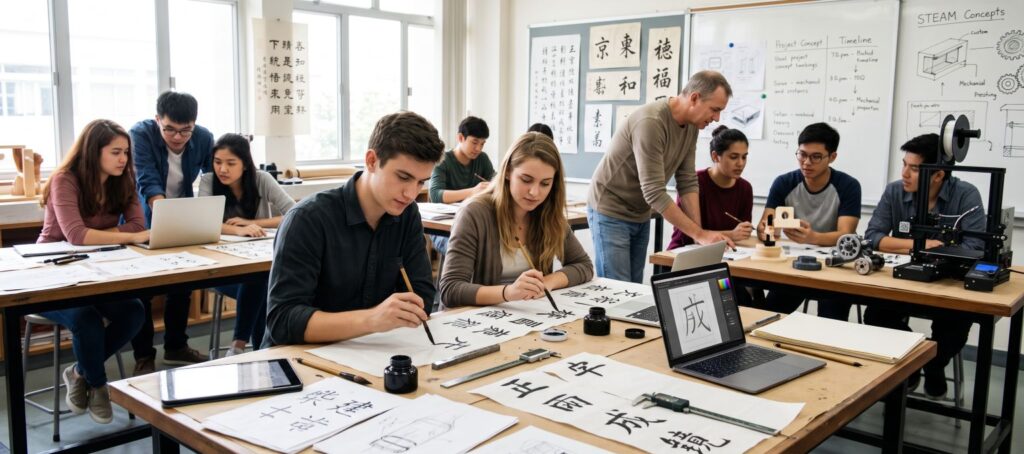
This post summarizes the paper titled ‘Effects of STEAM-PBL on Calligraphy Vocational Skills and Artistic Creativity: Mediating Role of Learning Motivation’. Click here to read DOI When people think about calligraphy, they often imagine beautiful handwriting, elegant lines, and artistic expression. But behind every carefully written character lies a combination of technical skill, creativity, concentration, and practice. Learning calligraphy is not simply about copying shapes correctly. Students must understand techniques while developing their own artistic abilities. Now imagine combining this traditional art form with science, technology, engineering, arts, and mathematics through project-based learning. Could this combination help students become more skilled and creative? More importantly, what role does motivation play in their improvement? To investigate these questions, Tang and colleagues conducted a quantitative study of 150 students enrolled in vocational calligraphy programs. They examined the relationship between STEAM project-based learning, vocational skills, artistic creativity, and learning motivation. The researchers collected data using structured questionnaires and analyzed the results through statistical techniques, including correlation, regression, and mediation analysis. The findings showed that STEAM-PBL was significantly and positively related to students’ vocational calligraphy skills and artistic creativity. Students using this approach showed improvements in technical accuracy and creative abilities. However, the researchers also discovered that learning motivation played an important mediating role. More motivated students were better positioned to engage in learning activities and develop their skills. This suggests that effective teaching involves not only introducing innovative approaches but also encouraging students to remain interested, confident, and willing to improve. In conclusion, the study demonstrates that practical skills and creativity can develop together when learning activities connect different disciplines. STEAM-PBL offers students opportunities to explore artistic ideas while strengthening technical abilities, making learning both practical and meaningful. At the same time, motivation helps students make the most of those opportunities. Developing creativity is not only about teaching someone the correct technique but also inspiring them to explore what they are capable of creatin

Research

Design Thinking and Project-Based Learning (DT-PBL): A Review of the Literature

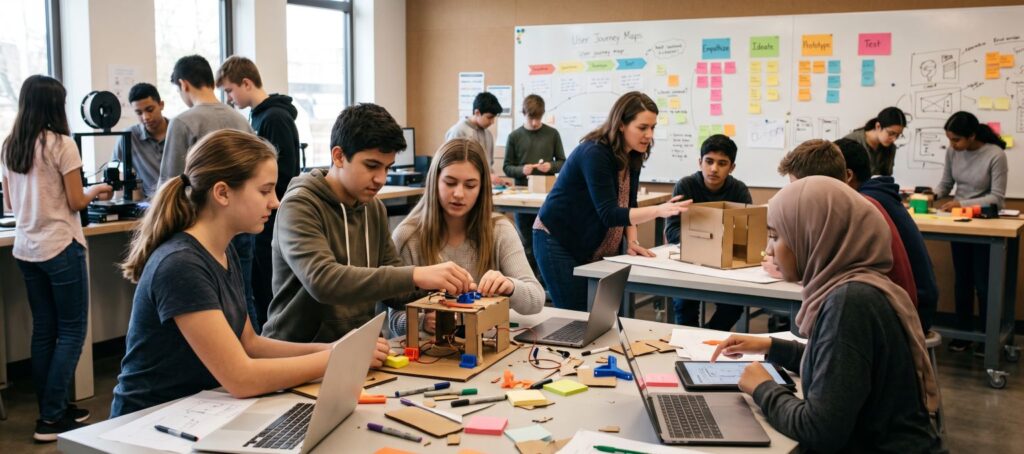
This post summarizes the paper titled ‘Design Thinking and Project-Based Learning (DT-PBL): A Review of Literature’. Click here to read DOI In traditional classrooms, students are often taught to search for the correct answer. Teachers present a question, explain information, and expect students to remember it. But outside the classroom, real-world problems are rarely that simple. Some problems require creativity, experimentation, collaboration, and the willingness to try different solutions. An idea might fail the first time, but that failure can become an opportunity to improve. This is where design thinking and project-based learning come together, offering students a different way to approach learning and problem-solving. To explore this approach, the researchers conducted a systematic literature review of 14 publications on design thinking and project-based learning (DT-PBL). This study examined how educators could integrate the two approaches, their benefits, and the challenges of implementing them. The researchers also identified two DT-PBL models, showing that this educational approach is still developing and has not yet reached a fully established form. The findings suggested that DT-PBL could improve students’ creativity, critical thinking, and problem-solving abilities. Through design thinking, students are encouraged to understand problems, explore different possibilities, and develop solutions. Project-based learning then provides opportunities to apply those solutions through practical activities. The study also highlighted the importance of teachers, who must adapt their instructional practices and guide students through this more active learning process. However, the researchers acknowledged that further research is needed to better understand and implement DT-PBL across educational settings. Ultimately, this study presents DT-PBL as a promising approach that moves education beyond memorization and routine classroom activities. Instead of simply following instructions, students are encouraged to think independently, explore possibilities, and develop creative solutions to meaningful problems. Teachers also have opportunities to improve their teaching through innovative strategies. Education should not only teach students how to understand existing ideas but also give them the confidence and creativity to develop new ones.

Research

Co-creating an Inclusive Science, Technology, Engineering, and Mathematics Program: A Gender-Responsive Approach

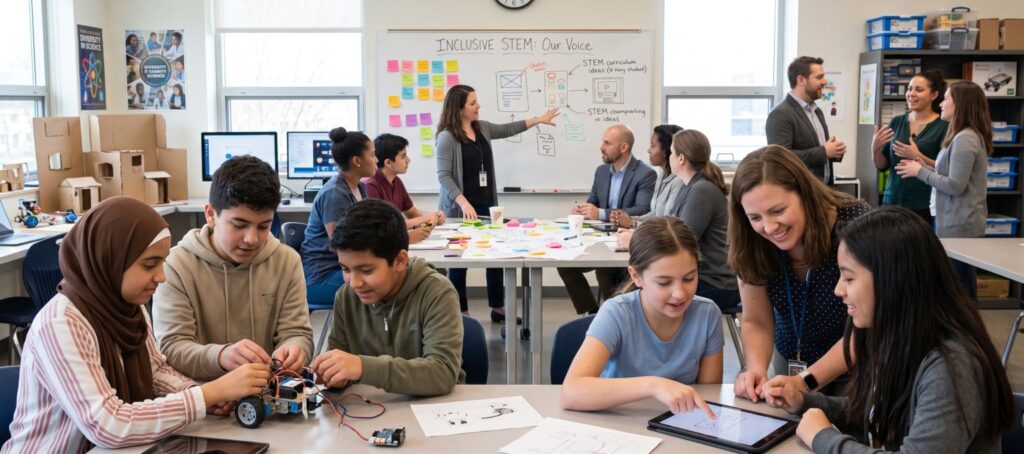
This post summarizes the paper titled ‘Co-creating an Inclusive Science, Technology, Engineering, and Mathematics Program: A Gender-Responsive Approach’. Click here to read DOI Every student deserves the opportunity to learn, participate, and succeed. Yet even when students enter the same classroom, their learning experiences may not be equal. Some students feel confident sharing their ideas, while others hesitate because they feel excluded or believe certain subjects aren’t meant for them. In STEM education, where gender-related expectations can shape participation and career aspirations, these differences can affect students’ educational experiences. This raises an important question: How can we create a STEM learning environment where every student feels included, supported, and valued? To investigate this issue, the researchers conducted a qualitative study involving 47 stakeholders. Through focus group discussions and interviews, we explored how to develop inclusive STEM programs through curriculum co-creation and gender-responsive approaches. Rather than viewing curriculum development as something controlled entirely by educational authorities or teachers, the researchers examined how involving different stakeholders could create learning experiences that better reflect students’ needs and interests. The findings emphasized the importance of collaboration, participation, and awareness of gender-related differences in educational experiences. When students and stakeholders help design educational programs, they can contribute ideas that make learning more relevant and engaging. Gender-responsive teaching also encourages educators to recognize potential barriers to participation and develop strategies that create fairer learning opportunities. The researchers highlighted that inclusive education is not simply about providing access to classrooms but also about ensuring that students feel empowered to participate meaningfully. Finally, the study shows that inclusive STEM education requires careful planning, shared decision-making, and a willingness to understand different perspectives. Teachers and educational institutions should create environments where students can express their interests, contribute ideas, and develop their abilities without unnecessary barriers. Education becomes truly inclusive not when everyone is expected to learn the same way, but when everyone has a meaningful opportunity to succeed.

Research

Assessment of Higher Order Thinking Skills Through STEM Integration Project-Based Learning for Elementary Level

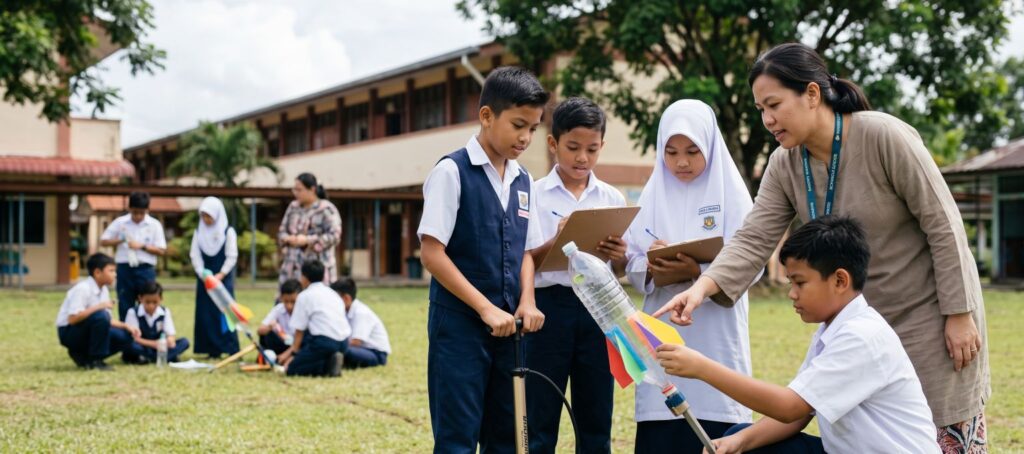
This post summarizes the paper titled ‘Assessment of Higher Order Thinking Skills Through STEM Integration Project-Based Learning for Elementary Level ’. Click here to read DOI Imagine a classroom where students are learning about rockets. Traditionally, the teacher might explain how rockets work, draw diagrams on the board, and ask students to memorize scientific concepts. But what if the students were asked to build their own rockets instead? Suddenly, learning becomes more challenging. They need to select materials, develop designs, test their creations, and understand why some rockets perform better than others. This is where project-based learning becomes meaningful, especially when combined with Science, Technology, Engineering, and Mathematics (STEM). To assess this approach’s effectiveness, Keleman and his fellow researchers conducted a study involving 12 Year 6 students and four teachers from SK Methodist, Kapit. The researchers focused on improving Higher Order Thinking Skills (HOTS) through STEM-integrated Project-Based Learning. Using interviews, questionnaires, and pre-tests and post-tests, they investigated how students developed thinking skills through practical learning activities, including constructing water rockets. The findings revealed that students could demonstrate certain thinking abilities, such as applying knowledge and analyzing materials, but often struggled with more complex tasks involving evaluation and improvement. For example, students struggled to explain whether a rocket could fly without water or to suggest modifications to improve its performance. However, after participating in STEM-integrated project activities supported by a learning module, students showed significant improvement on the post-test. These findings suggested that hands-on projects could help students strengthen their critical thinking and problem-solving skills. Overall, the study highlights the importance of giving students opportunities to explore, experiment, and discover solutions independently. Learning becomes more meaningful when students are encouraged to question information rather than simply remember it. Teachers can support this process by introducing practical activities that require students to apply their knowledge creatively. The most valuable lessons are not always the ones where students remember every answer, but the ones where they learn to find answers for themselves.

Research

An Assessment Approaches and Learning Outcomes in Technical and Vocational Education: A Systematic Review Using PRISMA

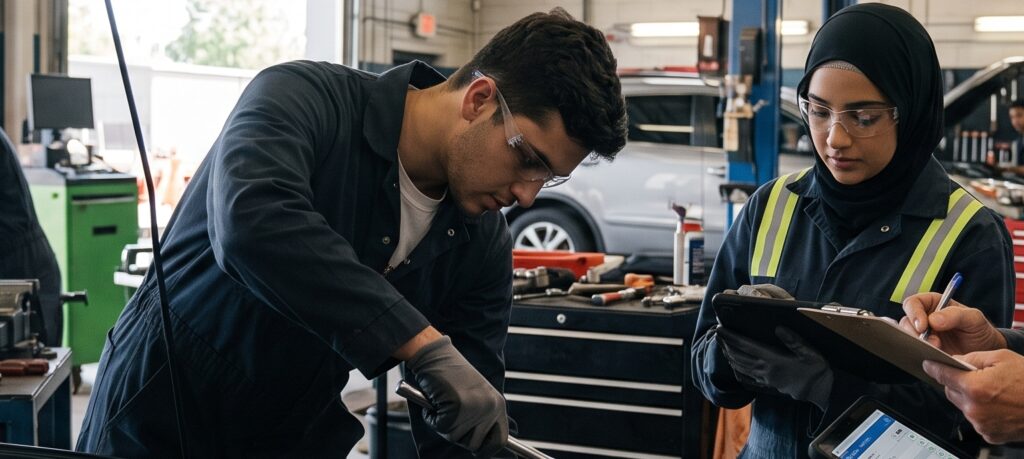
This post summarizes the paper titled ‘An Assessment Approaches and Learning Outcomes in Technical and Vocational Education: A Systematic Review Using PRISMA’. Click here to read DOI For many years, examinations have been one of the most common ways to measure students’ success. Students study their notes, memorize important information, and answer questions to demonstrate what they have learned. But imagine a student studying automotive technology who can explain every part of an engine yet struggles to repair one in real life. Does theoretical knowledge automatically mean someone has practical skills? This question is especially important in Technical and Vocational Education and Training, or TVET, where students are expected to develop the competencies needed in the workplace. To explore this issue, we conducted a systematic literature review using the PRISMA framework. We examined 29 relevant studies published between 2015 and 2021 to understand the assessment approaches used in TVET and how they measure learning outcomes. This research highlighted competency-based assessment, which focuses on evaluating what students can actually do rather than relying entirely on written examinations. The findings showed that practical skills, knowledge, and attitudes are important components of vocational competencies. Traditional assessments may not fully capture students’ abilities, especially when future careers require hands-on experience. Competency-based assessment allows educators to evaluate whether students can apply their knowledge, perform specific tasks, and meet the standards expected in their fields. It also provides useful feedback that can help teachers improve their teaching strategies and students identify areas for development. In due time, this study reminds us that education should prepare students for more than passing examinations. In vocational education, students must be able to turn knowledge into practical ability. Assessments should therefore reflect the actual skills and competencies required in the workplace. True learning is not simply about knowing the correct answer, but about applying that knowledge when it matters most.

Research

A Systematic Review on the Improving Strategies and Influencing Factors of Vocational Students’ Learning Engagement in Blended Teaching Environment

This post summarizes the paper titled ‘A Systematic Review on the Improving Strategies and Influencing Factors of Vocational Students’ Learning Engagement in Blended Teaching Environment’. Click here to read DOI There was a time when learning happened mainly inside a classroom. Students attended lessons, listened to their teachers, and completed their assignments. But education has changed. Today, students can watch lectures online, participate in digital discussions, and complete interactive activities without being physically present in class. This combination of online and face-to-face learning has created new opportunities, especially in vocational education. However, an important question remains: Does having access to technology actually make students more engaged in learning? To understand this issue, we reviewed 38 studies published between 2014 and 2024. We aimed to identify the factors that influence vocational students’ engagement in blended teaching environments and the strategies that could improve their learning experiences. The findings showed that digital platforms, gamification, flipped classrooms, and online learning resources can encourage participation. However, technology alone does not guarantee meaningful engagement. Students’ motivation, curiosity, confidence, and career expectations also play important roles in determining how actively they participate. The study also highlighted the importance of teachers and learning communities. When teachers design interactive lessons, provide guidance, and encourage collaboration, students are more likely to participate and develop positive attitudes toward learning. Interestingly, increased engagement does not always lead to significantly higher examination scores. Sometimes, the biggest changes appear in students’ motivation, confidence, and willingness to learn. Ultimately, blended teaching is not simply about combining traditional classrooms with digital technology. It creates an environment where students feel supported, connected, and motivated. Technology provides the tools, but meaningful teaching and human interaction are what make learning truly effective.

Let’s collaborate to shape the next generation of STEM thinkers

Empowering Future Thinkers

Aras 3, Akademia Siber Teknopolis, Universiti Kebangsaan Malaysia, 43600 UKM Bangi, Selangor

Operating Hours

Monday – Thursday
8.00am – 1.00pm
2.00pm – 5.00pm
Friday
8.00am – 12.15pm
2.45pm – 5.00pm

This site can be accessed using smart devices. Best viewed using the latest versions of web browsers on a minimum resolution of 1024×768

© 2026 mystemup.com. All rights reserved.

Scroll to Top